

Is Barnstaple worth a visit?
A sizeable market town in North Devon with what passes for a promenade alongside the tidal River Taw. Much of the Victorian vibe remains, and the beauty of the surrounding area is naturally outstanding.
What to see and do in Barnstaple?
-
Museum of Barnstaple & North Devon
Council-run collection of absolutely anything to do with North Devon. The impressive building in which it's housed was once a high-brow athenæum, but they've dumbed it right down for the likes of ourselves with a gift shop and café.
-
Tarka Trail
Follow the famous otter on a 180-mile hike that passes through Barnstaple. The tidal River Taw leads to a sandy situation out west where you'll find North Devon's best beaches in a larger Area of Outstanding Natural Beauty.
-
Pannier Market
A regional favourite where panniers aren't sold, but were the baskets used to carry goods on an animal's back. Saying that, a set will come in handy if you're on the Tarka Cycle Trail, a shorter 30-mile route south on an old train track to what looks like the middle of nowhere.
Bumbling around in the general surroundings, the bustle of Barnstaple beckons in an area with limited options to lunch. That might sound lazy, but we'll also try and stretch the legs, just after a latte - off we go...
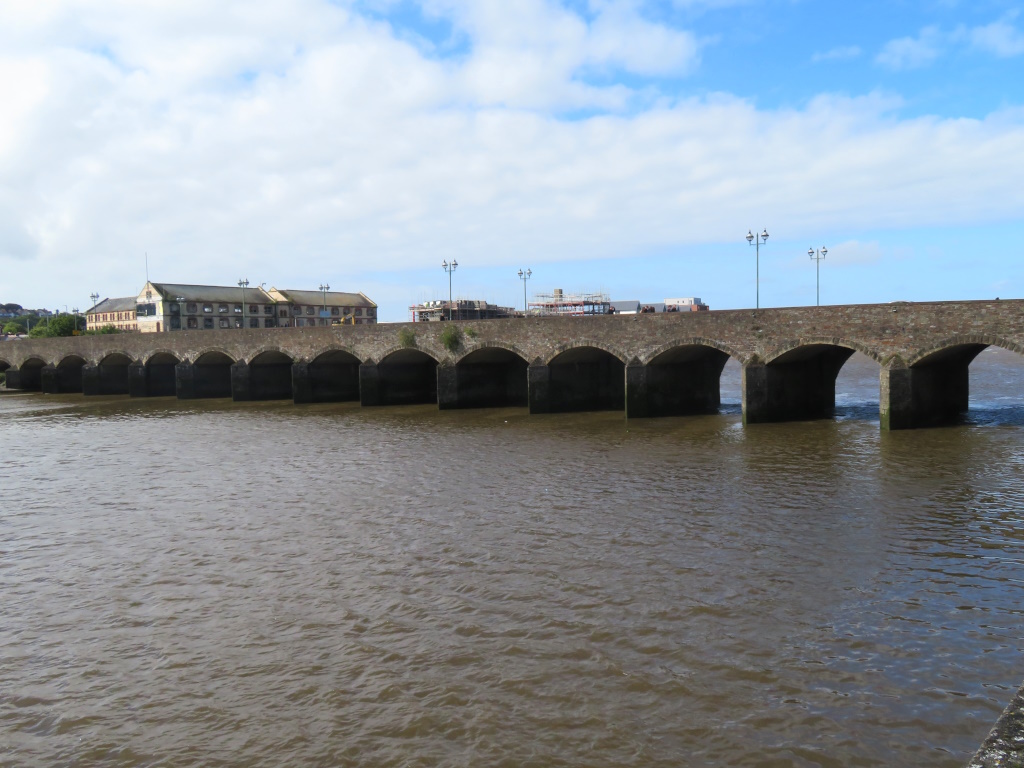
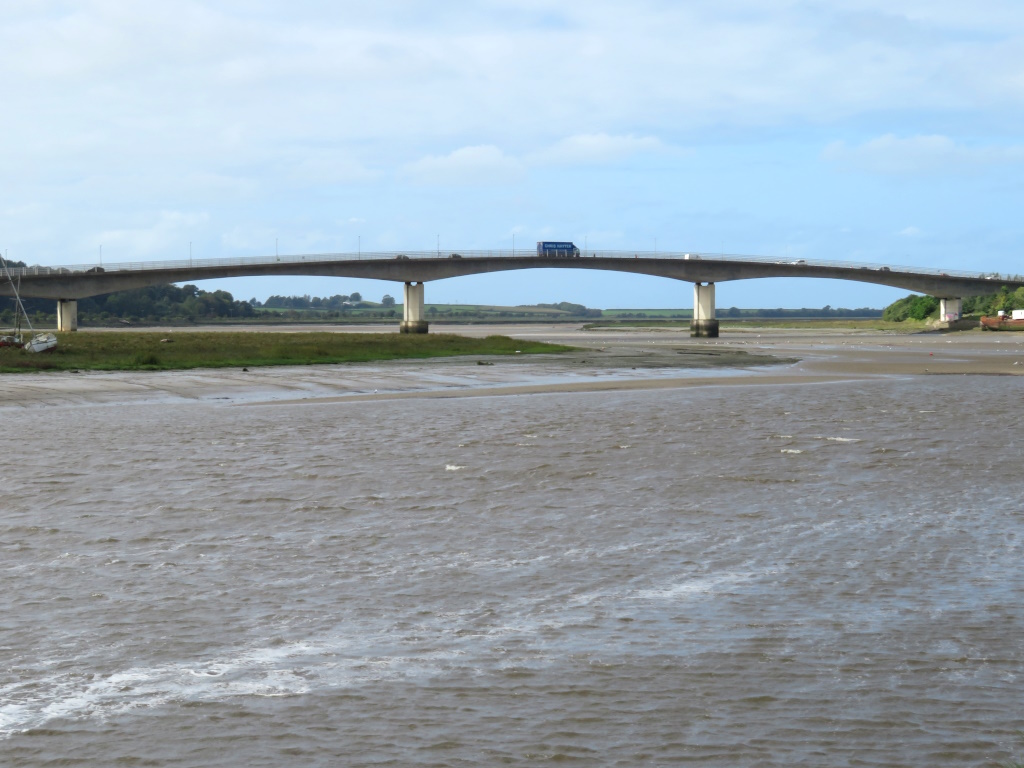
It has some significant flow, what with the tide, and two big old, barnstorming bridges across it. One is medieval, they say, and the other is, well, not quite so.
Highlights down by the older Long Bridge include an impressive clock tower of the kind last seen in Weymouth.
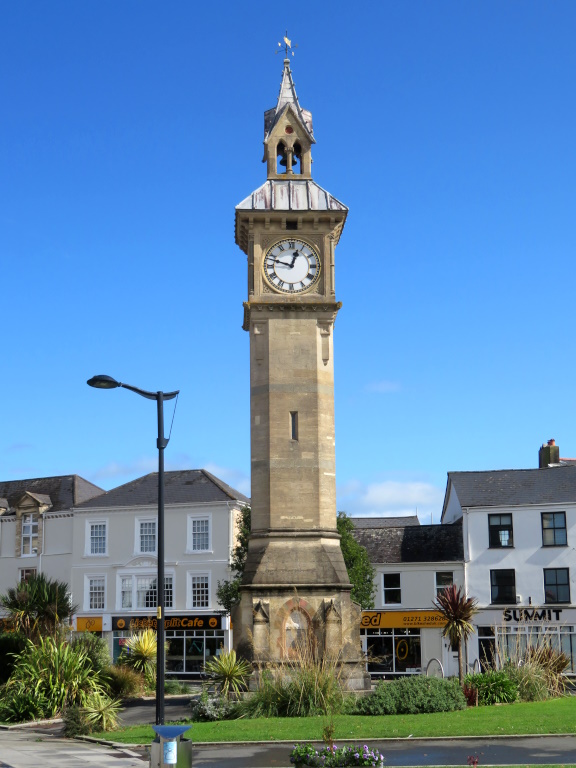
That means it's bound to be ticking for Queen Vic for some golden or diamond work jubilee-wise? Look a little closer, though, and this commemorates Prince Albert, no less, one of only two in the UK to do so, the other cocky fella being in Belfast.
It's thought, however, that there's only one Museum of Barnstaple & North Devon and not just in the UK but anywhere else in the world, actually!
Think of an artefact, any artefact, you got one? It's almost certain, then, that this museum contains a collection of them with history, social and natural and regular, geology, manufacturing, portraits, pottery and war particularly well represented.
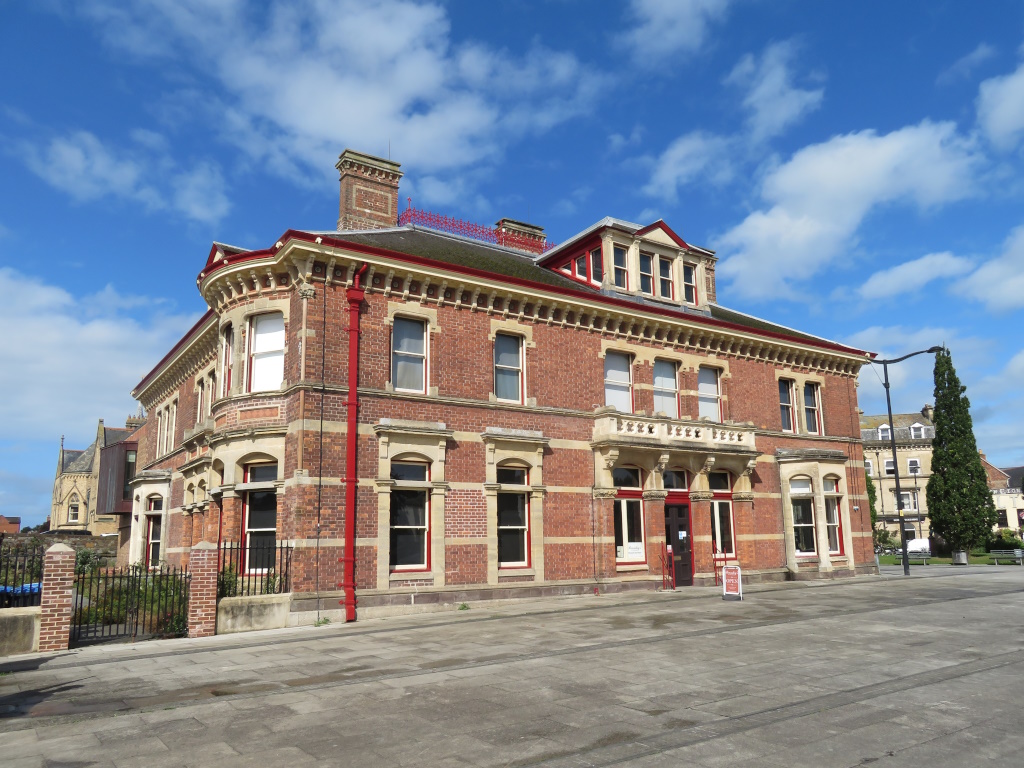
Built for some old industrialist or other, this big house was soon operating as an athenæum by the late 1800s and that's a word you don't hear every day? Not until 100 years later, however, were the stuffy publications moved elsewhere and the museum moved in.
Run by the council, it's, get this, free, and, get this, it's also got a gift shop and a tearoom and exhibitions of largely local artwork that definitely weren't no part of no athenæum.
Heading west along the river, remembering to close the gates behind you, the Strand offers elements of elegance and this could pass as a promenade in a seaside town, say?
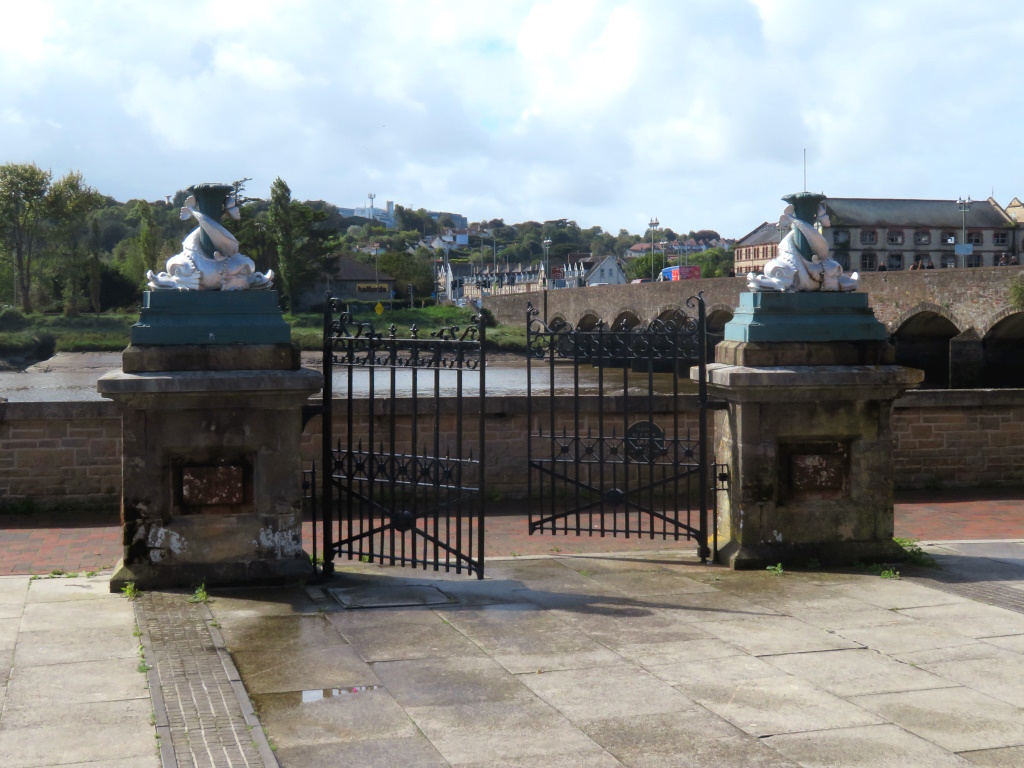
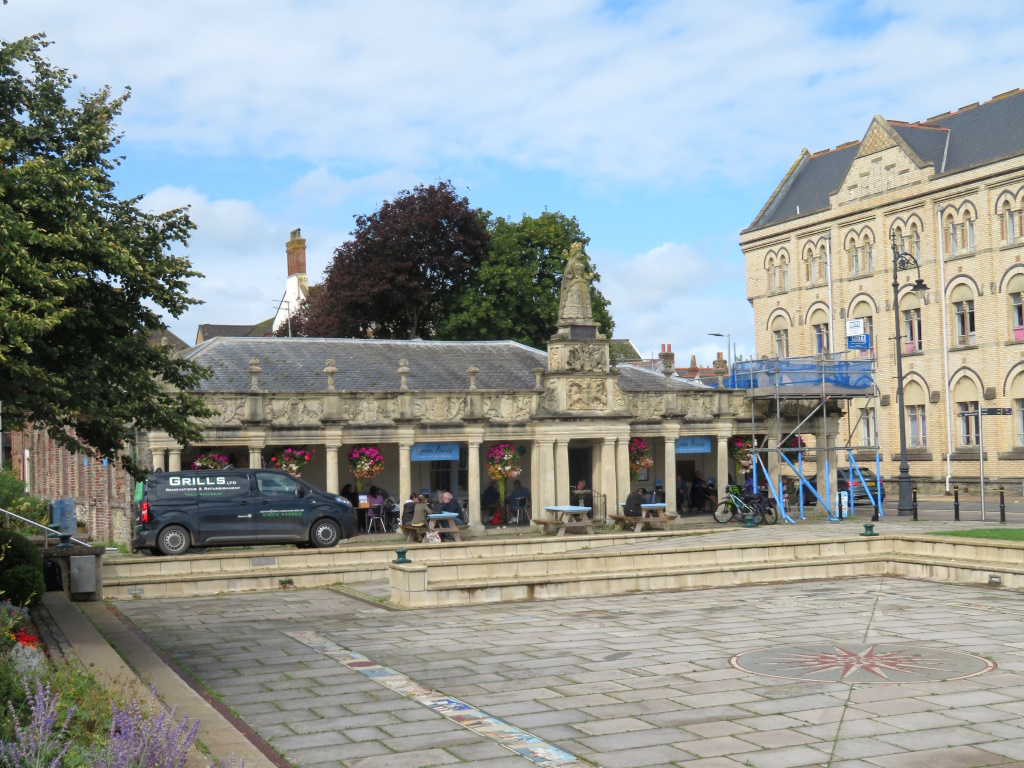
Fake architechtural nods and a pleasurable garden are actually on the site of a medieval shipyard, some of which still carries on downstream at Appledore, but was repurposed when the Victorians came with the trains.
The repurposing continues to this day with a now-defunct, Art Deco nightclub and one of the, not one but two, Wetherspoon™s.
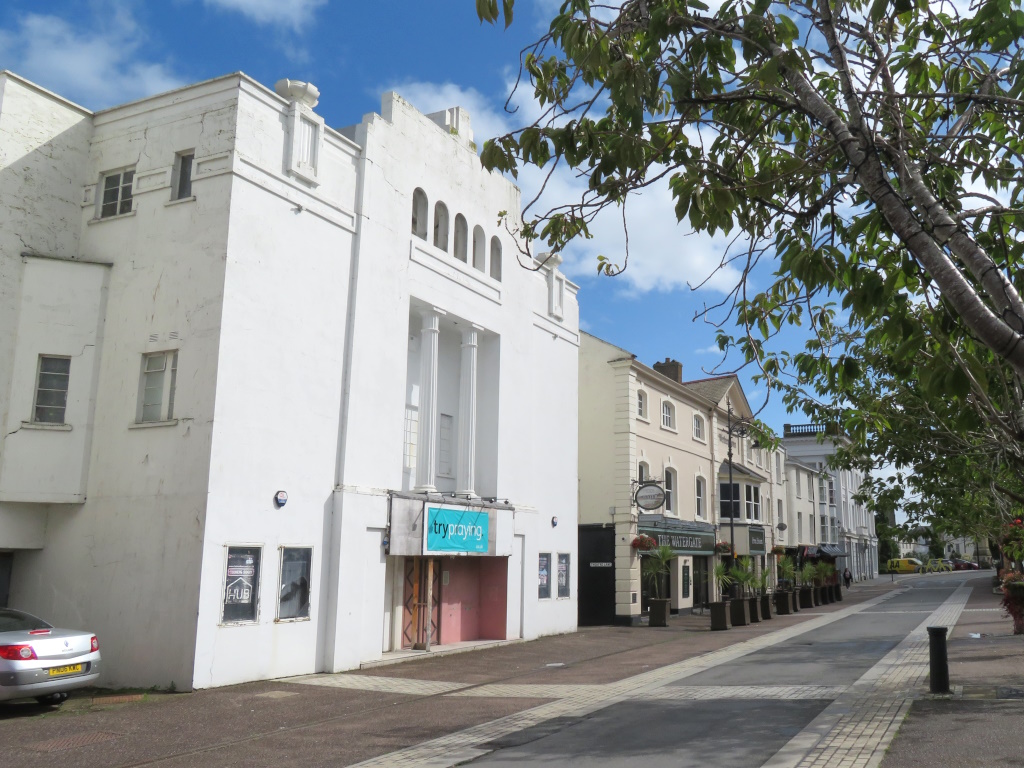
Spoons have a tradition of naming their pubs based on the history of the place or the old building they invariably inhabit. One of the inevitable offerings in a settlement of this size is called the Water Gate, one of the ways in and out of the 11th-century town walls.
There are no awards for the almost-out-of-date ale and the Director of Contrived Waterhole Branding only gets a measly (1/5) for their work on a long-gone feature that was 75 metres away anyways.
As for inside? It's a Wetherspoon™s man!
This strategic location by the river will have required some defending and Barnstaple Castle proudly guards what's now a car park.
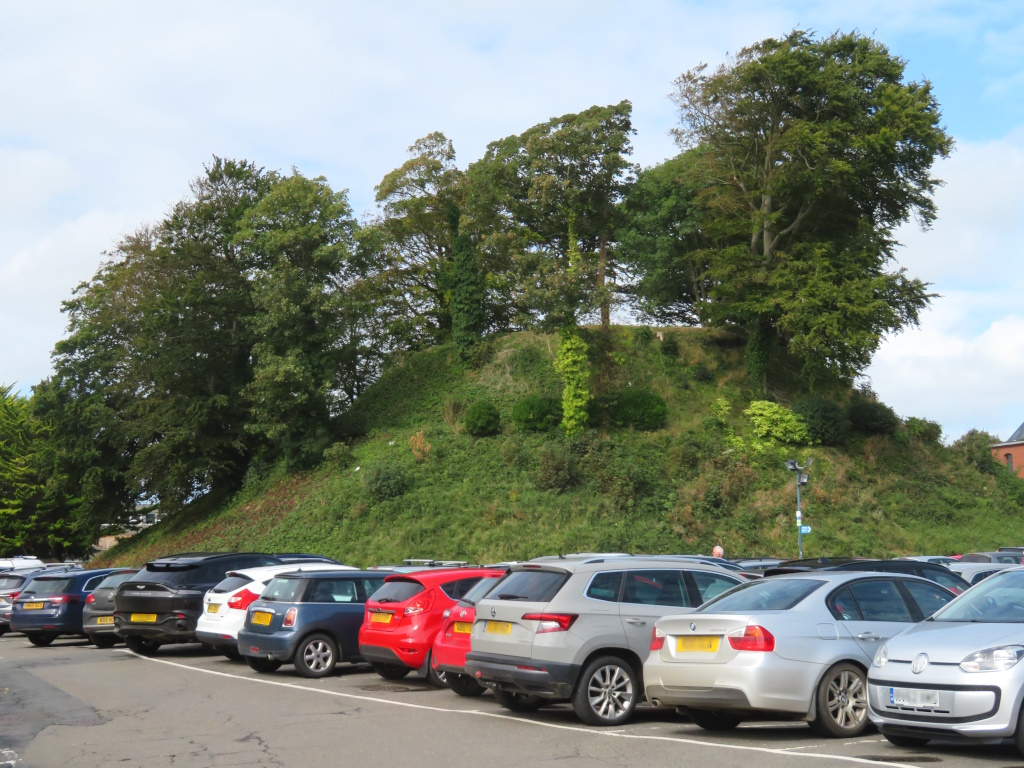
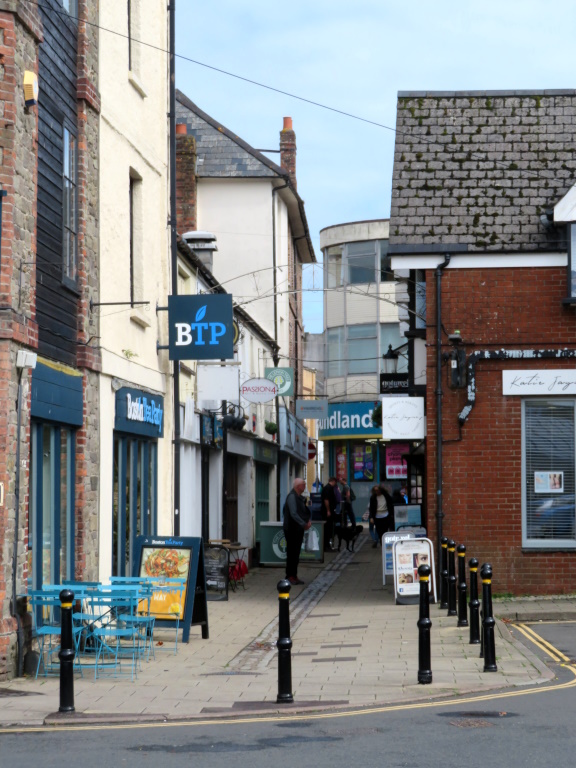
Classic motte-and-bailey, it's thought you'll agree, and they say Willie Conker may have had a hand in it although it's more of a mound, near a Poundland™, these days.
Perfect while you're waiting for the rain to ease off, and everybody in Barnstaple, absolutely everybody, is in here today filling up on a Full English. There are plenty of other options available and yes, it's inside a modern shopping centre that, sorry Barnstaple, could just about be anywhere.
The passage to Poundland™ leads to the pedestrianised high street where it's fairly familiar fayre but oh! What's this? Only a market dedicated to selling 'Panniers' and that's brilliant because Bob's just recently got back on the bike and is back in the saddle.
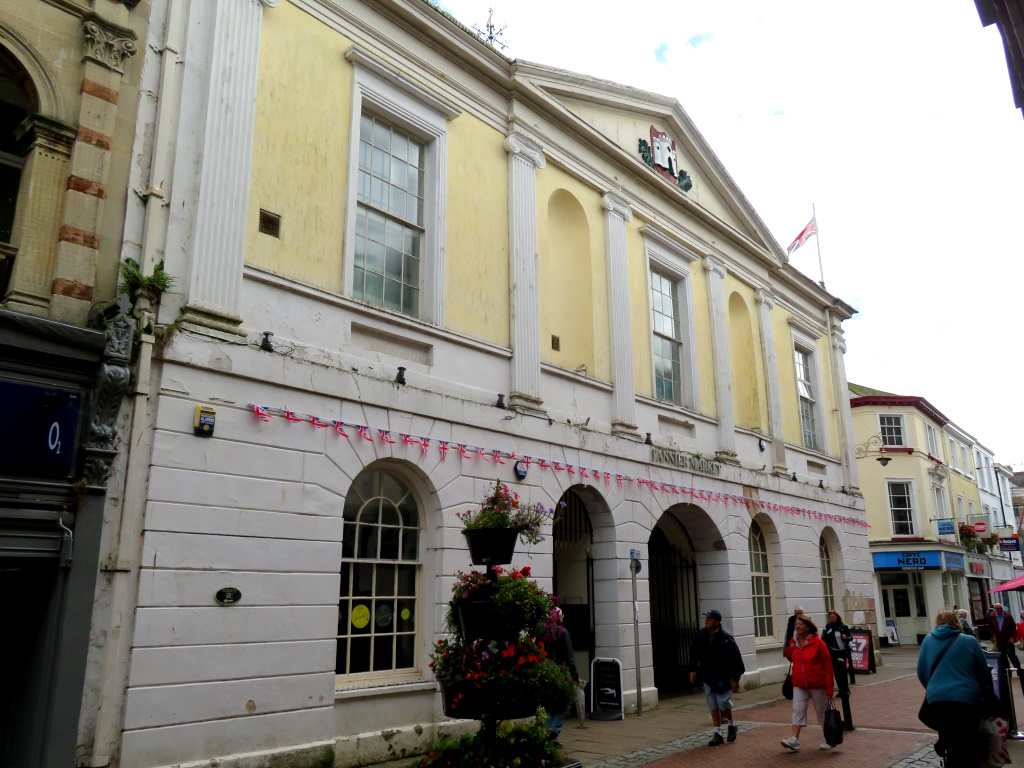
They say you never forget, but some of the old swagger and verve has diminished and a pair could be done with to provide a stabilising influence rather than resorting to some tiny rear wheels.
A variety of vendors should push the prices down so it's a disappointment to find none on display.
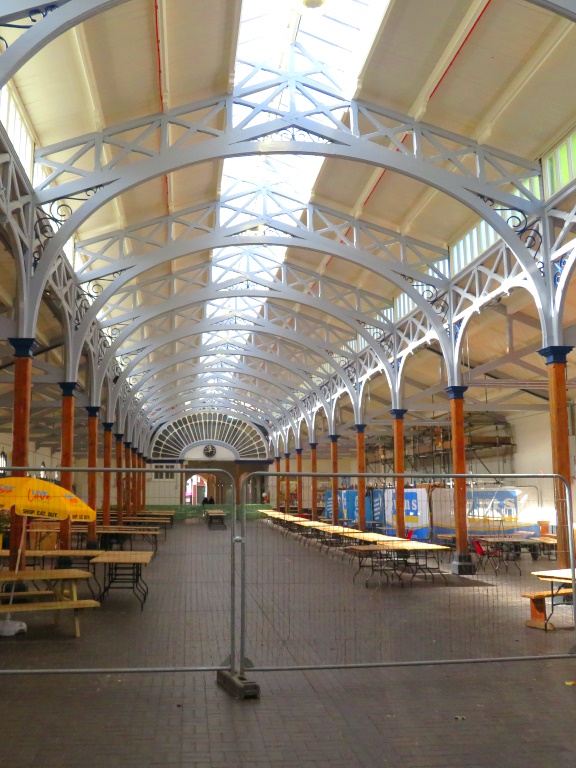
That's all a joke, of course, and while the word may have been stolen by bicyclists, that's only because no one is going to the shops with an ox, these days, not even in North Devon.
It retains its original meaning down here with several Pannier Markets dotted around the county but a word of advice... don't bother here on a Monday.
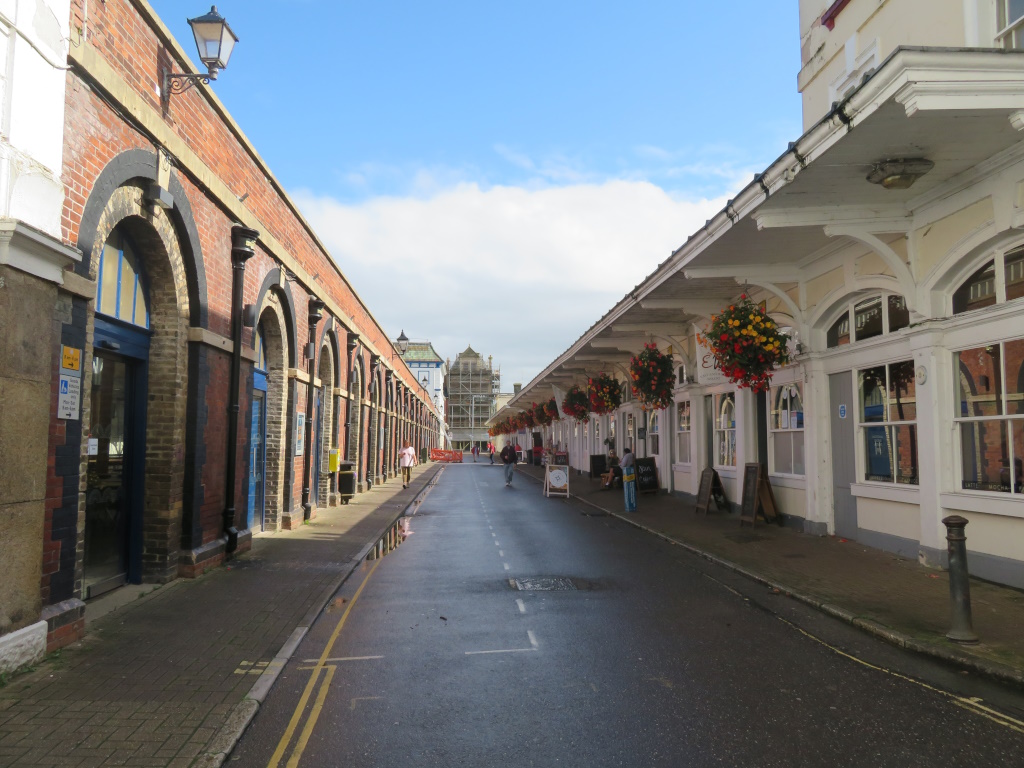
There's better general bargaining to be done just opposite along Butcher's Row, which was purpose built back in the day for that very purpose. They're no longer all butchers nowadays, though, more like a butcher, artisan baker and scented candlestick makers, eh?
Spoons have a tradition of naming their pubs based on the history of the town or the old building they invariably inhabit. The other inevitable offering in a town of this size is called the Panniers because, well, have you not been paying attention?
There are no awards for the almost-out-of-date ale but the Director of Contrived Waterhole Branding gets a (2/5) for at least keeping it local for this local.
As for inside? It's another Wetherspoon™s man!
Rugged North Devon became fashionable with Victorian toffs and back near the river there's evidence of the trains on which they came.
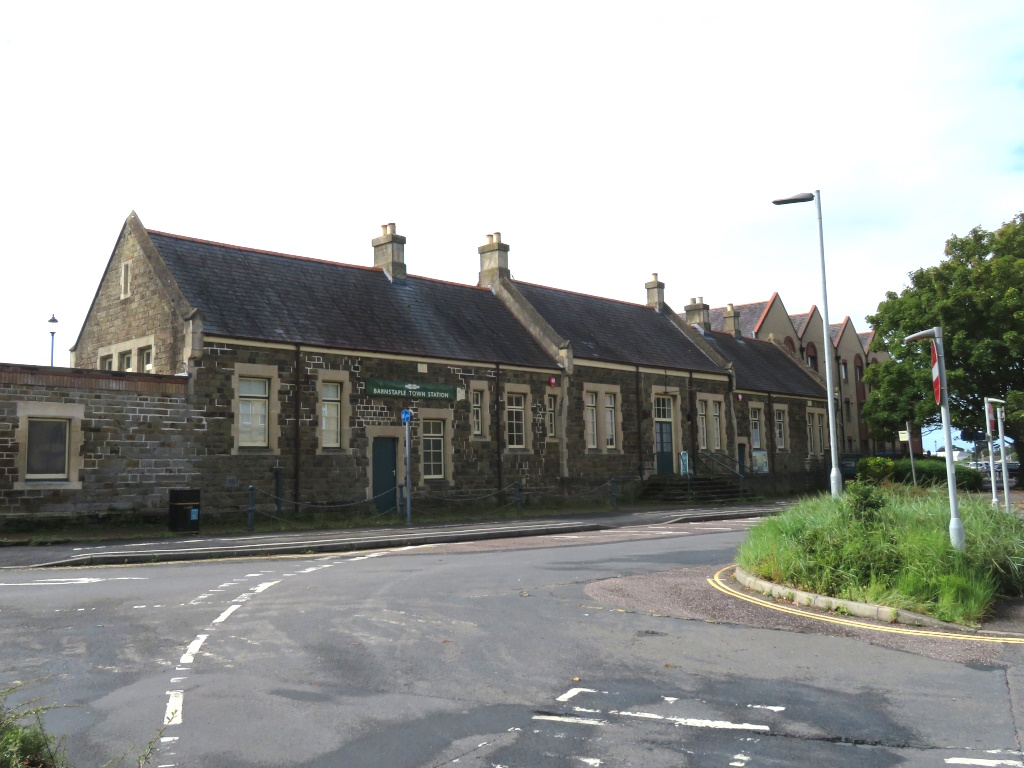
Barnstaple Town Station isn't the main and original, that's back across the river, and if you arrived by train then you'll have disembarked there at the end of the Tarka Line.
This was for a mere branch line once they managed the not unimpressive feat of engineering to negotiate the 800-foot up-and-over to Ilfracombe. With car ownership on the rise it lasted until 1970 and is now on the Tarka Cycle Trail, a modest 30-miler on the old track bed.
Yes, the intrepid mustelid traversed these parts in Henry Williamson's 1928 novel, his famously not-just-for-kids imaginings of the natural world and a deliberate diversion from his unnatural experience of the horrors of the World War I trenches, perhaps?
It's mentioned because this wasn't an overnight stay, so it's not known if the Spice of India on Bear Street serves up a Chicken Tarka on the menu.
Chicken Tarka? It's like a Chicken Tikka but a little 'otter.
Sorry, couldn't resist because SlyBob will never get tired of that one.