


So, here we are back in Suffolk, and who doesn't love a bit of Suffolk? People from Norfolk? Fair point, but SlyBob do, particularly the coastal fringe, although we don't really understand why the personal draw to the seaside town of Southwold.
You probably think we're here for Latitude, don't you, the safest of all the music festivals, eating yoghurt in a yurt in between waving a Coldplay flag? That's for others to do about a kilometre away every July, we're more likely to be attending the annual Henham Steam and Country Show in September, whoo-hoo!
That and poking around in churches because one of our great-great-grandfathers was, would you believe it, married in Blythburgh Church.
When one of his offspring hitched a lift on a lighter heading back north to bring coals from Newcastle, a Who Do You Think You Are connection was created, and the rest, as they say, is FAMILY!
Seeking his post-industrial revolution fortune away from agricultural hardship, he ended up down a County Durham mine, and Sly still gets misty-eyed at an old-skool, open fire.
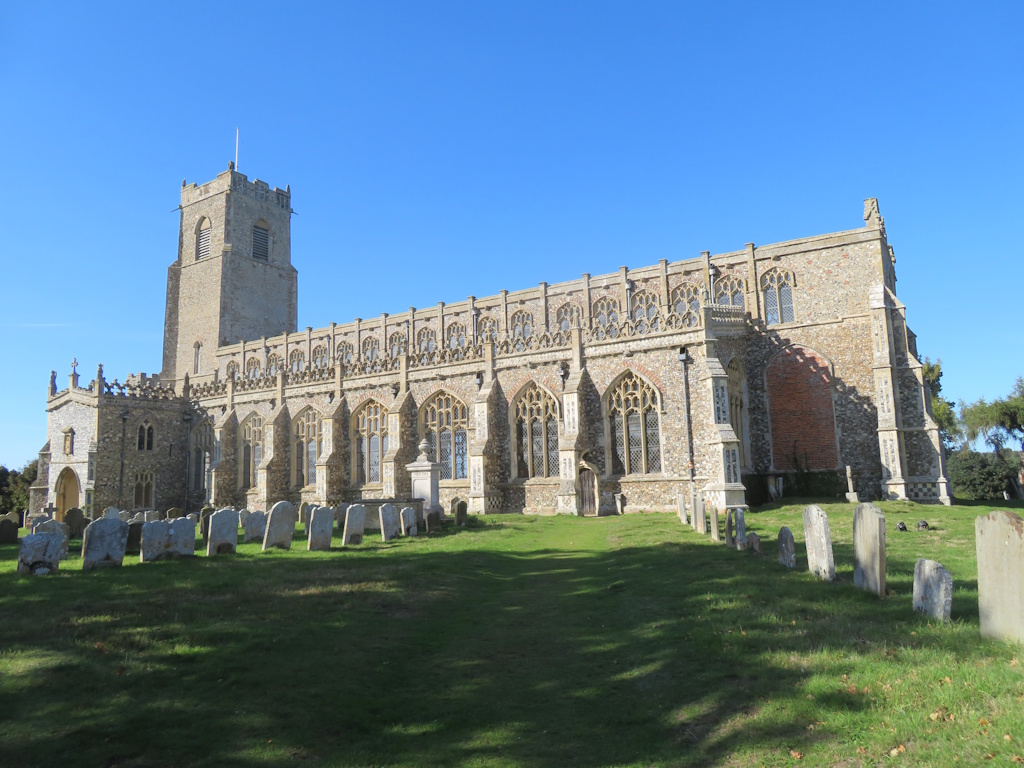
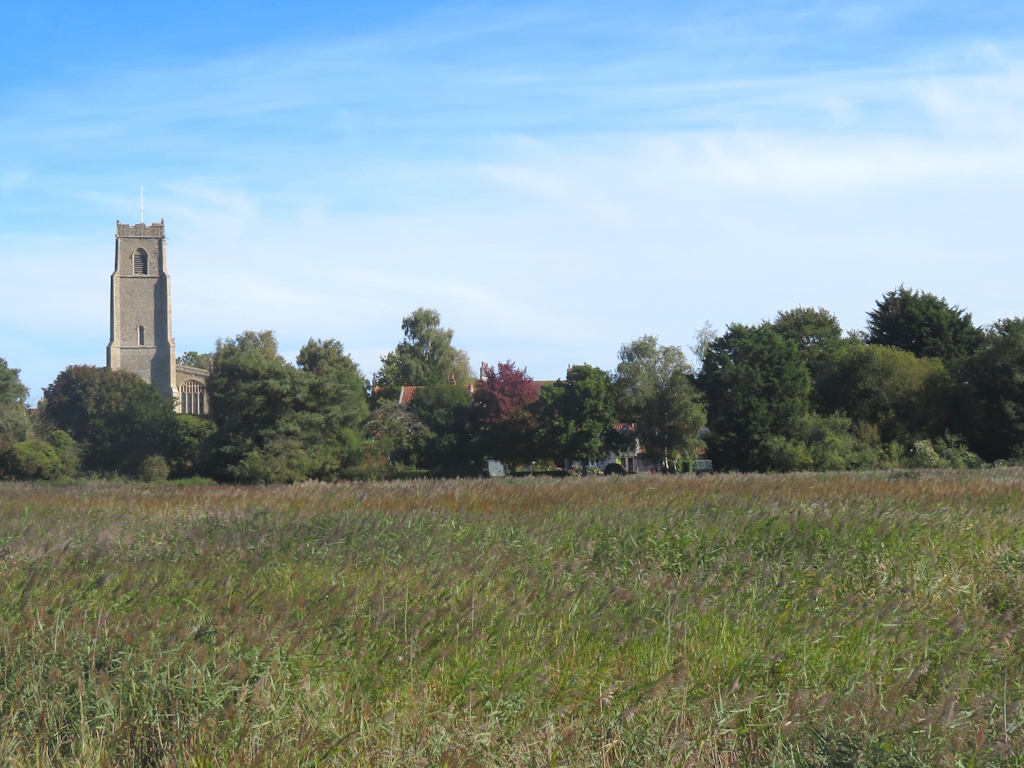
The Cathedral of the Marshes, or Holy Trinity, to give it a proper name, dominates the flat landscape, as would a portacabin, though, in this un-undulating environment.
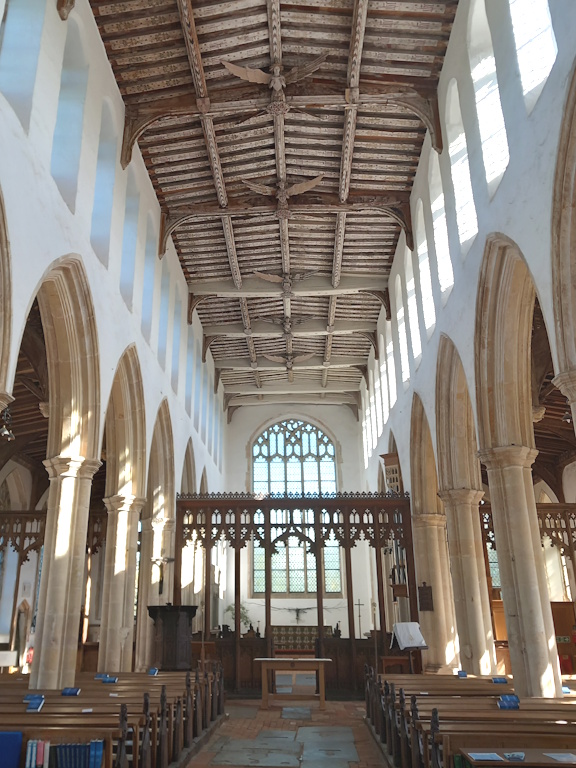
Something similar and Saxon sat here before, they say, and some original features remain inside the late-19th-century restoration. Wooden angels on the ceiling and scorched claw marks on the door. Scorched claw marks?
Yes, it's only our old friend Black Shuck, a boding, demonic dog with bright red eyes, whose appearance foretells a calamitous event. A lightning strike that very night in 1577 caused the steeple to collapse, and naysayers say the fire that followed accounts for the door.
Not that the Darkness are having any of that. No, the off-their-East-Anglian rockers can be heard screeching about the mythological mutt on their stonkin' debut album.
Black Shuck. That dog don't give a, erm, damn, right censors? They even namecheck the village. Genius!
It's picture-postcard stuff outside, all overseen by the 'Angel of the East'.
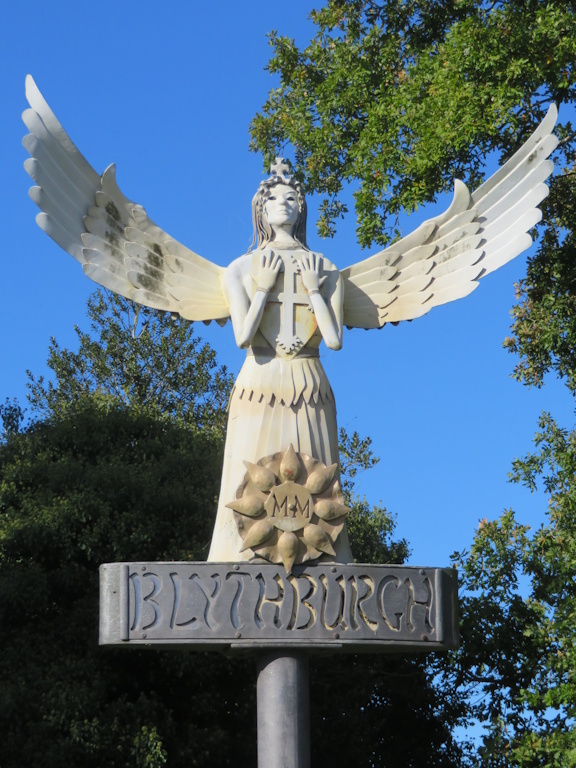
The ornate, metallic sculpture is a fine Welcome To Blythburgh, and was commissioned to mark the millennium. Local artist Graham Chaplin, RIP, painstakingly created this from his forge in Stowmarket, and the welded feathers are quite a piece of work as well as a lovely legacy.
Once a religious hotspot, someone's back garden is home to the remains of Blythburgh Priory. That, however, went the way thanks to Henry VIII when he invented the word 'dissolution', and just like Henry's henchmen shouldn't have been, you're not allowed in.
Paths behind the church lead left to follow the river into the marshes and right to the train station, choo-choo!
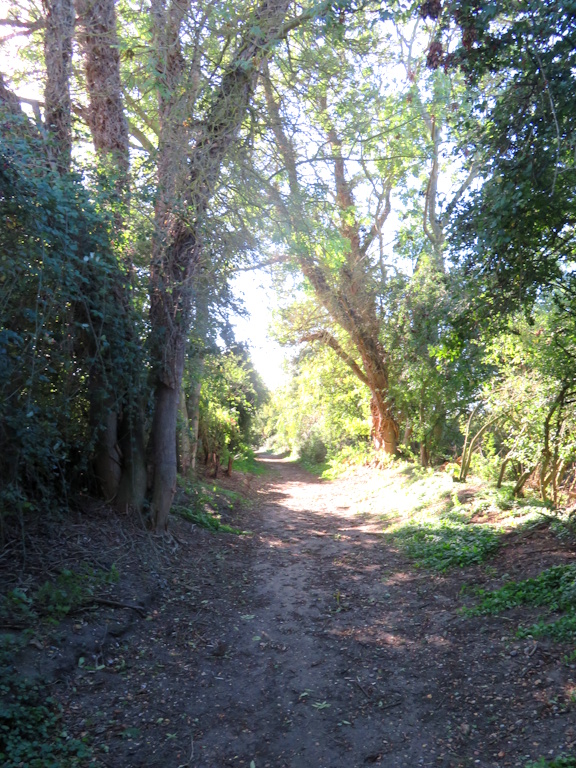
At least that would have been the sound prior to the three-foot-narrow-gauge branchline from Halesworth to Southwold closing. Passengers preferring the novelty of the new-fangled omnibus was the main reason for its demise in 1929, long before any so-called 'Dr.' Beeching, and the last time a mini-loco ran on these rails was... 2026!
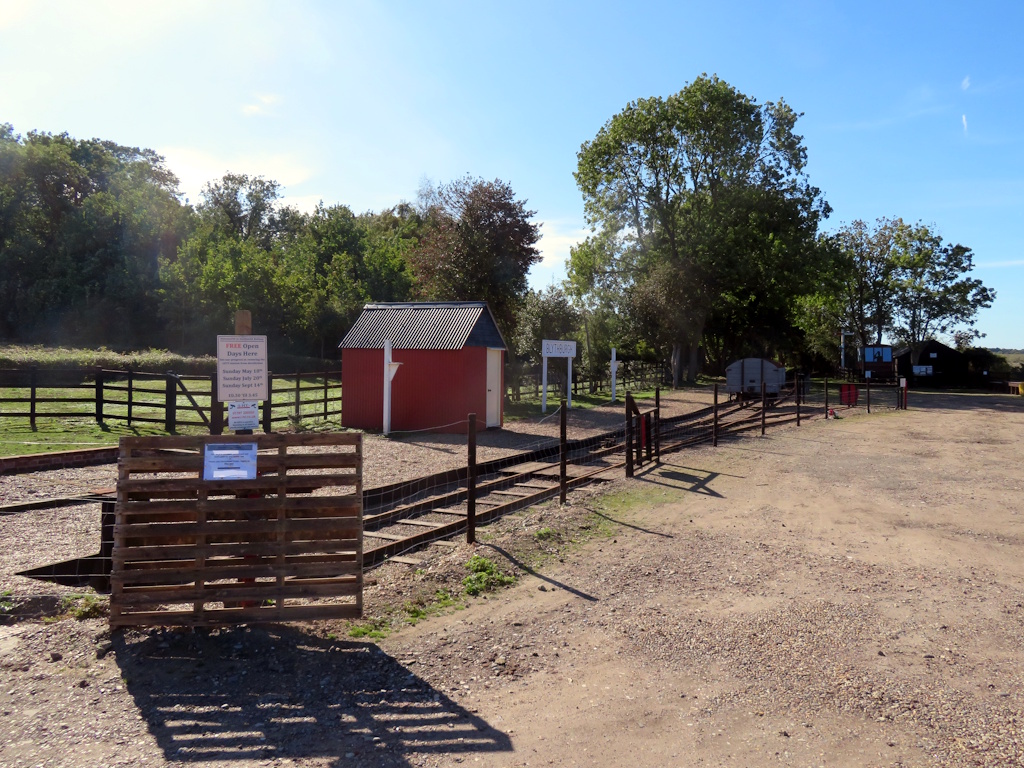
Yes, the Southwold Railway Trust hold occasional open days, and their ambitious intention is to restore the entire line, best of luck with that.
We mean that most sincerely because we're honestly not that interested in these things, honestly, you'll find they just follow you round, although perhaps one of us is, and a little bit more than they'd like to admit?
Watch your Green Cross Codes over the sometimes busy A12 and through the world's biggest beer garden behind the Dutch gable-ended White Hart Inn.
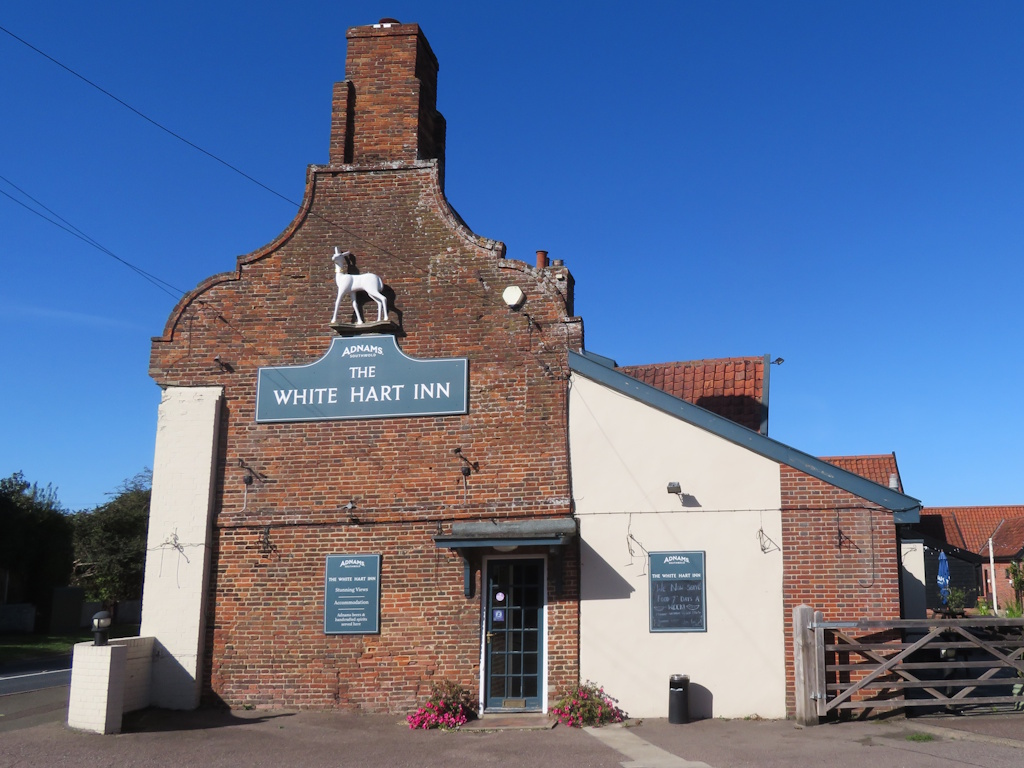
It's presumed they do their annual business from the spill-out at Latitude, because we've never seen no one in, never!
The old track bed is now a rambler's delight on the way to Walberswick. It hugs what's thought to be a tidal lagoon, not shown, filled twice a day by the relatively narrow River Blyth at Walberswick's harbour, or Southwold's, depending on your side.
A couple of hides cater for twitchy types eyeing up the birds on the mudflats, and, oi oi, who's this fella?
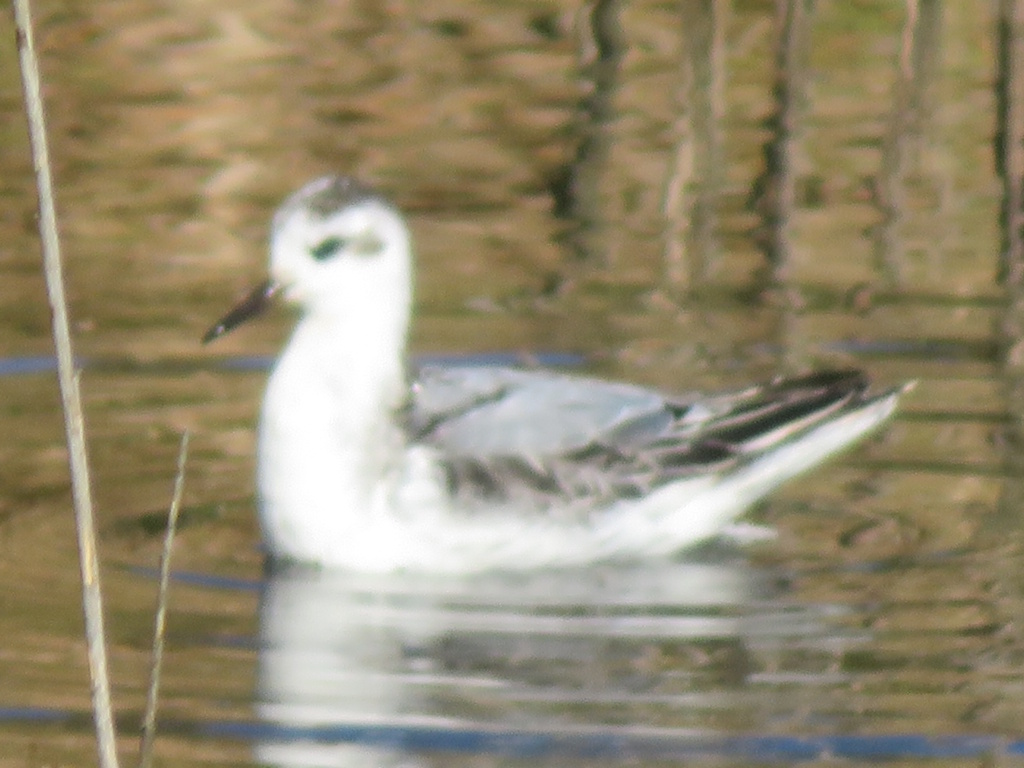
It might look like a gull, black-headed, from a distance, but they tend to hang in a gang making a right racket. It's not a knot, they're waders and not nearly so large, congregating in even greater numbers. No, if it's not a robin or a spuggie, SlyBob are reaching for the guide.
Turns out to be a Grey phalarope, wouldn't you know, and this is one of only 200 annual sightings. Storms at sea blow them in, and yes, it has been a little windy recently. 'Yup, that's Grey phal.', their words not ours, confirm the experts at RSPB™ Minsmere just down the coast, even the boss bothered to pop his head round the office door.
Howay the Grey phalarope, you got that on your list Oddie?
Meanwhile, back over the road, there's as much wildlife here as you'll see at Minsmere, and you have to pay there. Not that it's Minsmere's fault, there's just no nuclear power station currently being built next to Blythburgh, but that's another story.
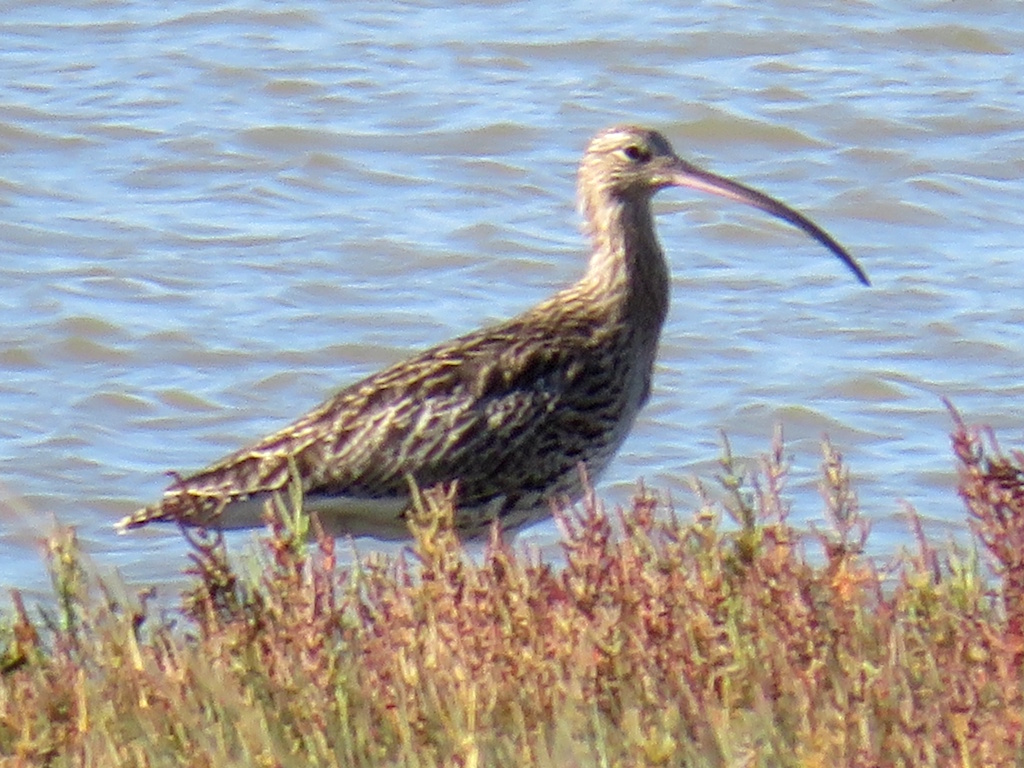
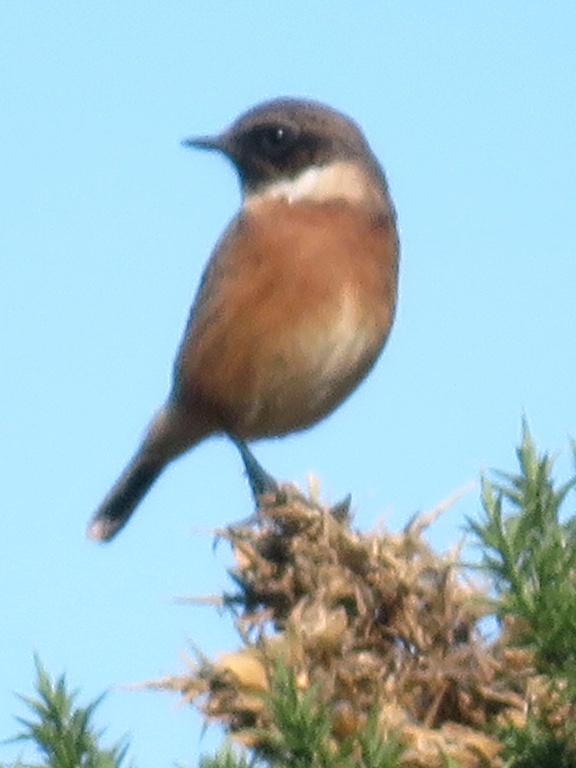
The recognisably curly beak of the curlew, and the tut-tut-tutting of a stonechat.
There's even a Marsh Harrier, not shown, doing what they do over a marsh, but the most significant aerial action in these parts was seen, well, heard actually, a while ago, during a project as optimistic as that of the Southwold Railway Trust.
Packing clapped-out bombers to the brim with explosives and flying them into German targets on mainland Europe by remote control is as mad as it sounds, but this was June 1944 and something needed to be done against the doodlebug.
The technology of the time required hands in the cockpit to get the overloaded, proto-drones off the ground before the crew bailed and the receivers kicked in for signals from a 'mothership' behind.
To say these missions were unsuccessful is an understatement. To say the explosion over Blythburgh Fen in August 1944 was the largest ever recorded over Britain might not be.
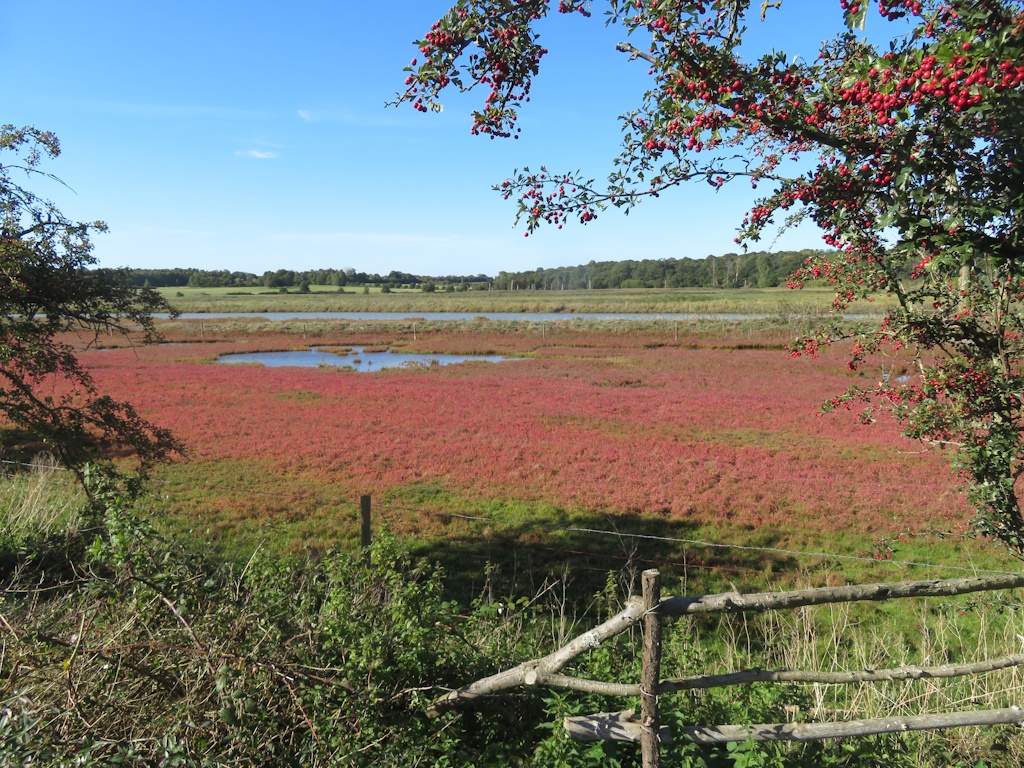
Triggered by a spark, probably, in the early electronics less than 20 minutes after takeoff, the pilot was none other than U.S. Navy Lieutenant Joe Kennedy, the eldest son of bootlegger, allegedly, turned politician Joseph Kennedy Snr.
Papa Joe had ambitions of American President for his namesaked offspring, then that attention switched to the younger John Fitzgerald. The incident in Blythburgh precipitated the so-called 'Kennedy Curse', a series of unfortunate events including two public assassinations, an unpronouncable bridge, and more plane crashes than are statistically likely.
All of this could have been avoided, however, if only co-pilot Lt. Wilford J. Willy had radioed back to base requesting permission to land. Looking out of the side window...
Hang on! Is that a big, black dog down there?