


Is Glastonbury worth a visit?
The music festival? No, not since they started letting the likes of Kylie on. The town itself? Yes, if you want to visit a mystical theme park with a colourful high street. Oh! Don't forget there's a famous tor to get atop.
What to see and do in Glastonbury?
-
High Street
Most of what's on offer could best be described as, well, mystical tat, but who knew there were so many kinds of kidney beans?
-
Glastonbury Tor
A mile from the mystical tat and 500 foot up, the church tower on top has links to a local legend, some bloke called Arthur, or something?
Another brief stop, this, on the way to elsewhere. With no intention to ever attend the festival, let's see what the town itself is like - off we go...
No, not the famous music festival, silly! This is the Somerset town that's some five miles west and the reason for taking just a single boiled egg at breakfast and not the full dozen to guarantee a few days of, erm, safety.
When it's said 'town', first impressions are of a theme park, actually, although some of the trading is fare enough on the more kinds of kidney beans than you thought possible front.
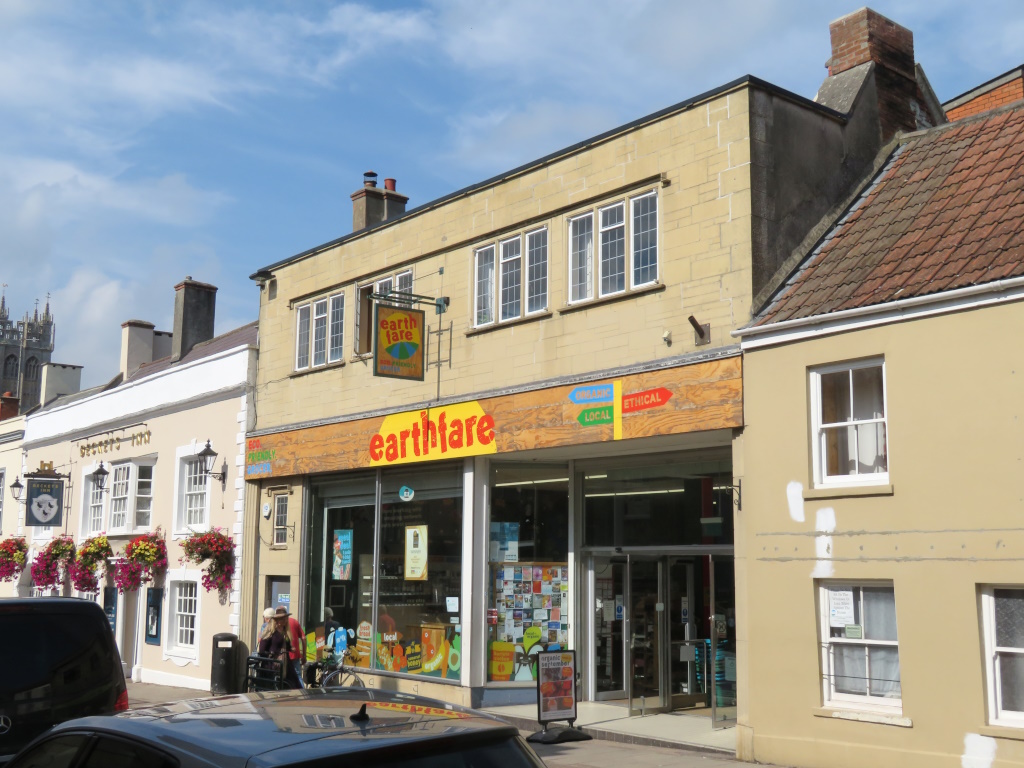
The rest, however, could best be described as, well, mystical tat, but at least the hawkers of wholesale crystals lend colour to what couldn't not be considered to be an enchanting high street.
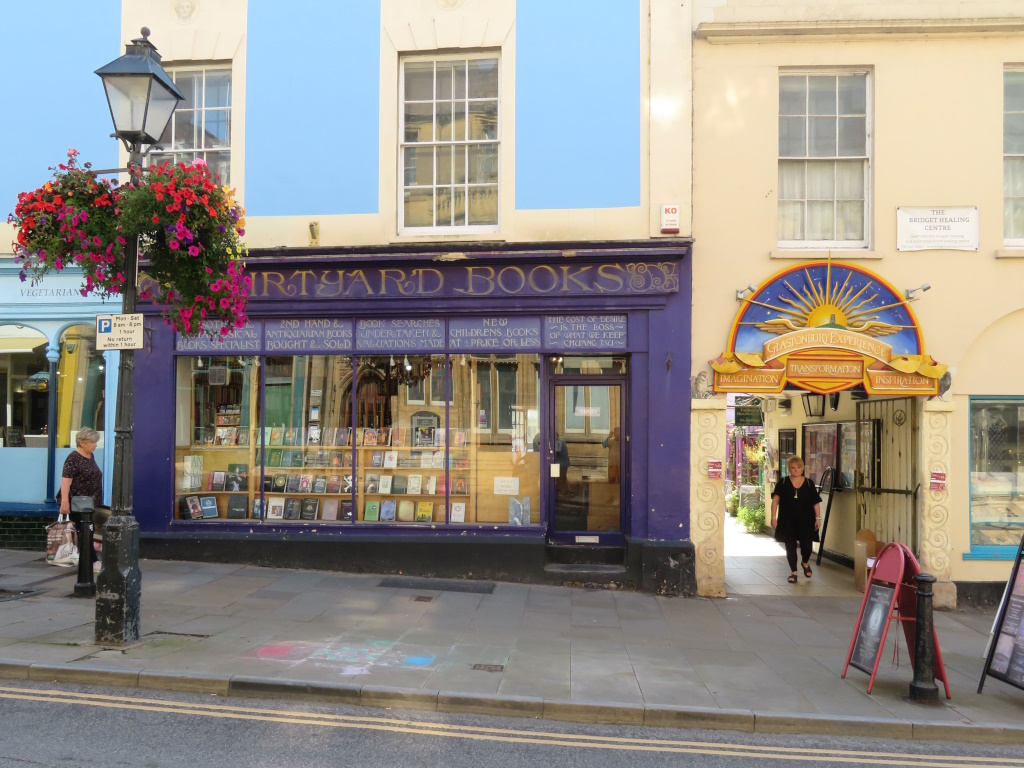
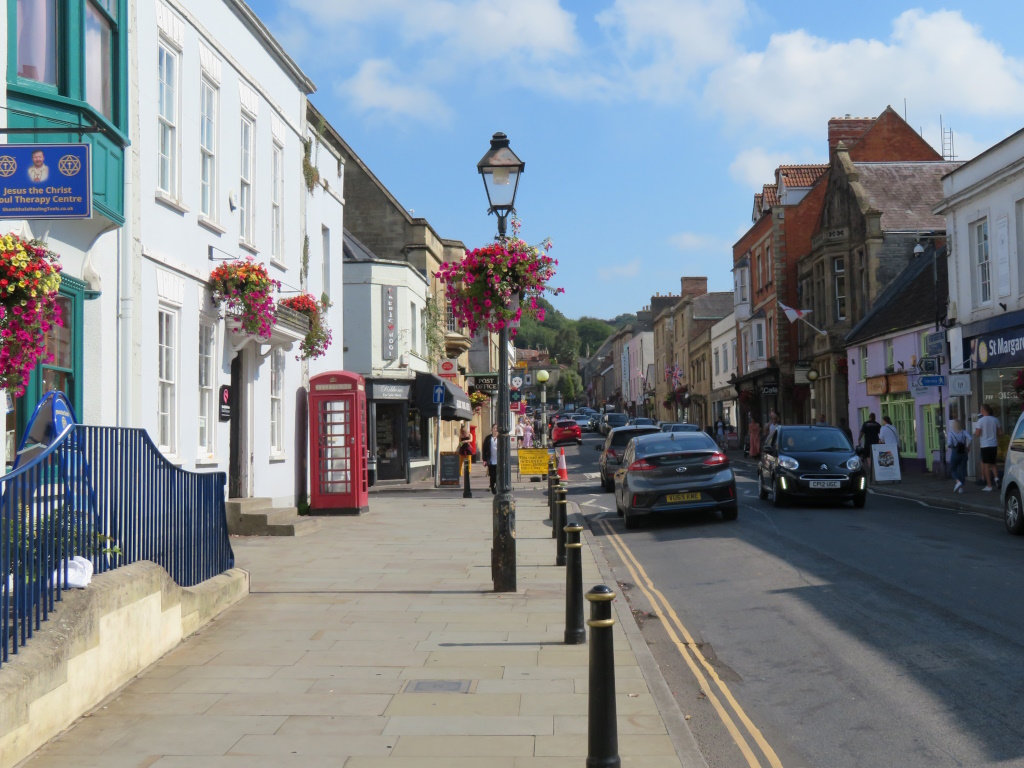
Any chanting, though, is strangely absent from the open windows of the many spiritual and meditative disciplines being practised along here, probably.
Rising highlights include the 15th-century Church of St. John the Baptist, although attendances aren't thought to be on the rise, what with them all being pagans round here?
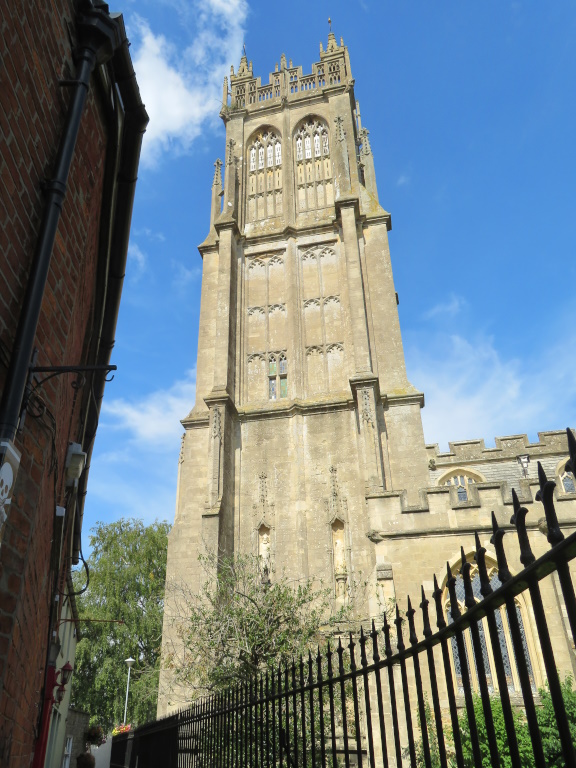
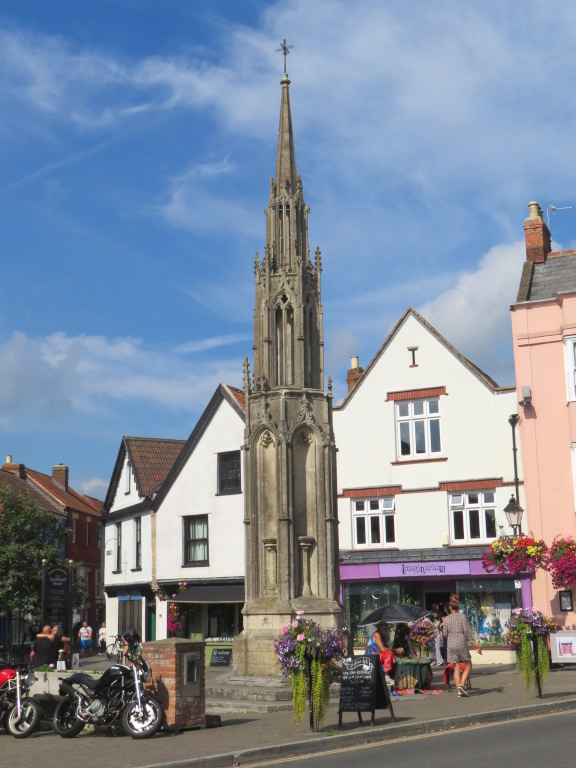
Their market cross also catches the eye while it's slightly more than a mile to the tor, for which Glastonbury is most famous for.
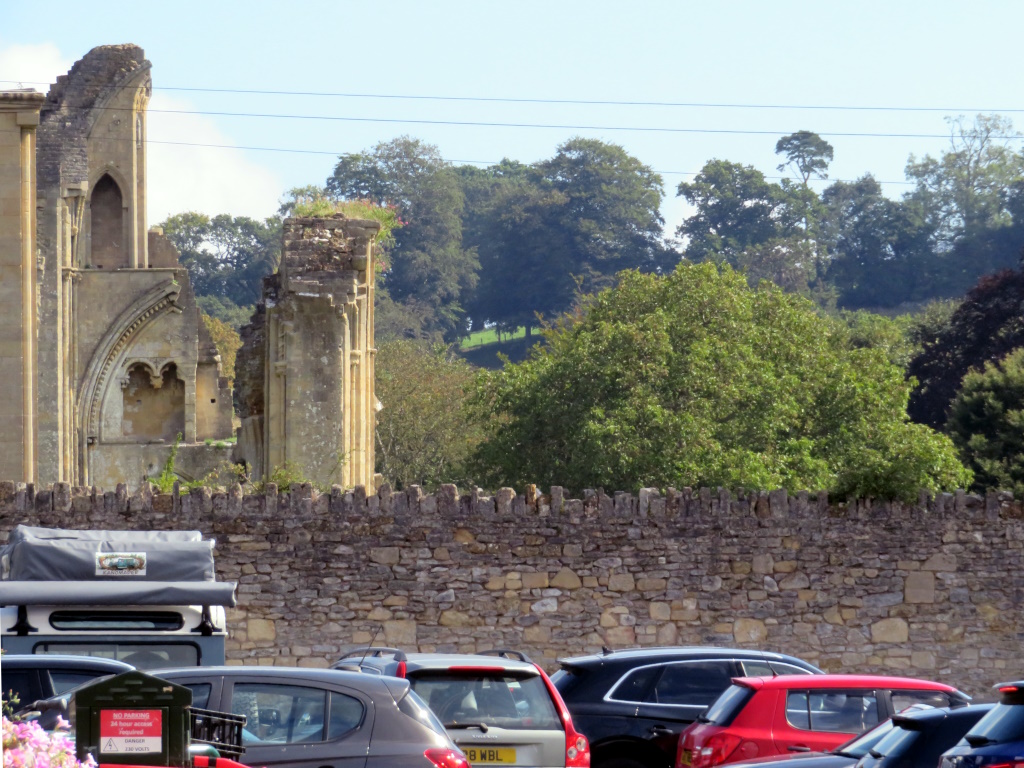
The tower on top is just about visible through the trees, somewhere, but it's not so much a folly as first thought.
St. Michael's Church Tower - thanks Rossographer - is the sole surviving structure of when Henry VIII invented the word 'dissolution', and some form of church has stood 500 foot up since Saxon times, they say.
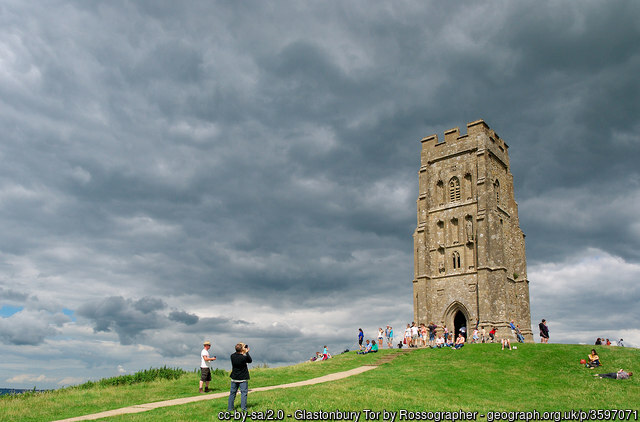
Hidden underneath are the Holy Grail and King Arthur, obviously, and why wouldn't they lay there? A ley line links it to Glastonbury Abbey, you see, although there's another invisible, sorry imaginary, sorry non-existent, line here because 'Glasto' ain't got no train station no more.
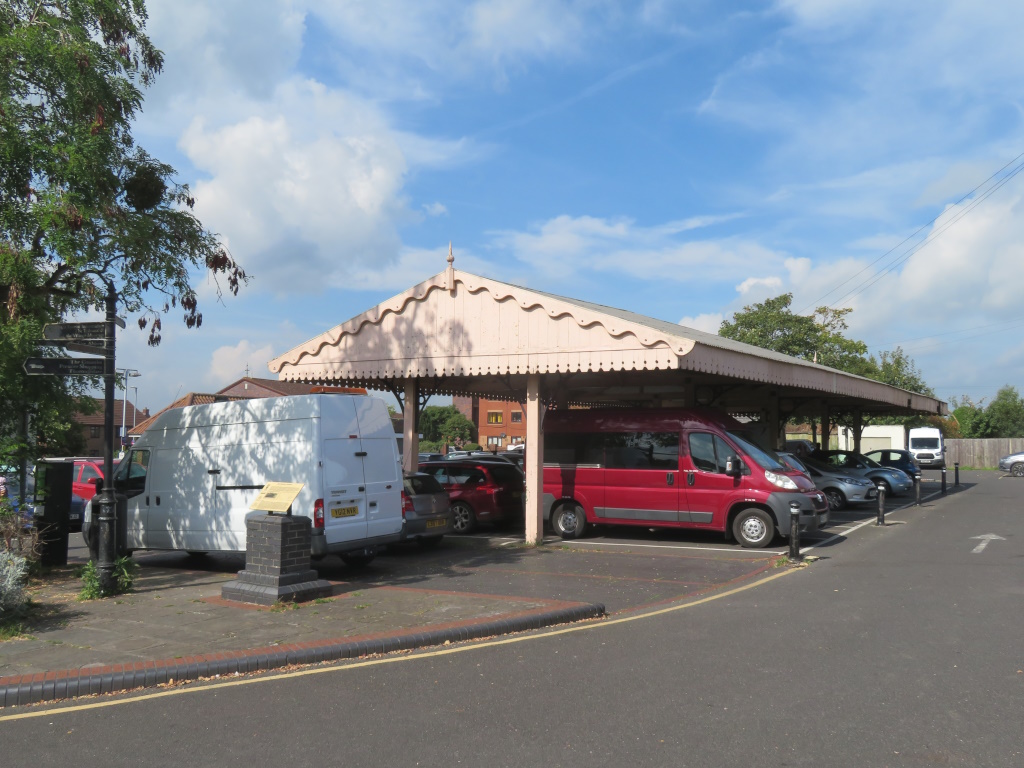
Glastonbury and Street station was closed in the '60s on the recommendation of so-called 'Dr' Beeching, and it's some sort of storage facility on the edge of town, these days, but with the level crossing still intact.
That means none of the 200,000 people who now attend the world-famous music festival, since they started letting the likes of Kylie on, will arrive directly by choo-choo, although one of the original canopies was moved to provide shelter in the Car Park of St. John the Baptist.
This deliberate switching of narrative tracks is purely because there's only so much mileage in musing on a mythical king.
Or was he?
If only the Saxons had stayed in Essex and hadn't ventured west to be met by a legendary warrior king of the Ancient Britons who is reckoned to have sent 'em packing and whose mum is said to have called Arthur on a Sunday.
What she thought of the daughter-in-law giving Sir Lancelot the glad eye is equally vague, although Queen Guinevere doesn't appear until about 700 years later as a plot-driving character in the source material for the Arthurian legend; see also Sir Lancelot and the Holy Grail.
Nonsense or not, what is known, definitely, is that Arthur and Guinevere's skeletons were found in a tree trunk beneath Glastonbury Abbey, honestly, despite the Cornish and the Welsh making similarly unconvincing claims to their location.
This seems to have been some very early and prescient PR work by King Henry II to give pilgrims a reason to visit and to raise funds for the recently burned-down church's roof. Little did he anticipate the evolution into today's mini-industry, and if only they could all be sat round a table to confirm what really happened.
The singular piece of definite evidence is Arthur's old mate Merlin, and here he is, look, with present-day pilgrims parting with their pounds for a selfie.
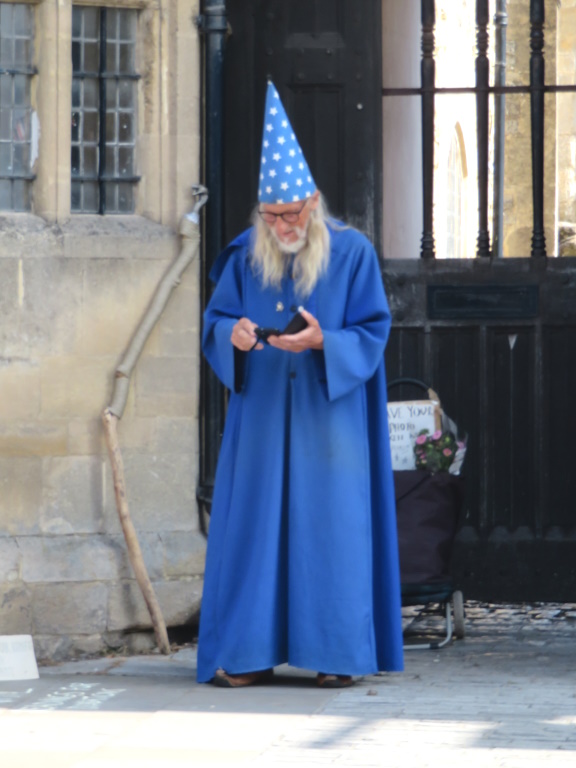
Through magical eye lenses, Merlin is able to read the thoughts of Arthur, who is summoning his help on a matter of the supernatural. Something about a sword getting stuck in a stone, or something?